


If you’re planning events in 2026, you’re not just competing with other organizers. You’re competing with people’s calendars, budgets, attention spans, and the “I’ll decide later” mindset that never really went away.
The good news: people still want to show up. They want experiences they can feel—music, community, learning, celebration, being part of something bigger than a screen.
The tougher part: they also expect the logistics to be clear, mobile-friendly, and forgiving when life happens.
Below are the event trends in 2026 that are likely to shape how you plan, market, and run events this year—and what to do about them if you sell tickets through WooCommerce χρησιμοποιώντας το FooEvents.
Trend 1: Community-first events keep winning
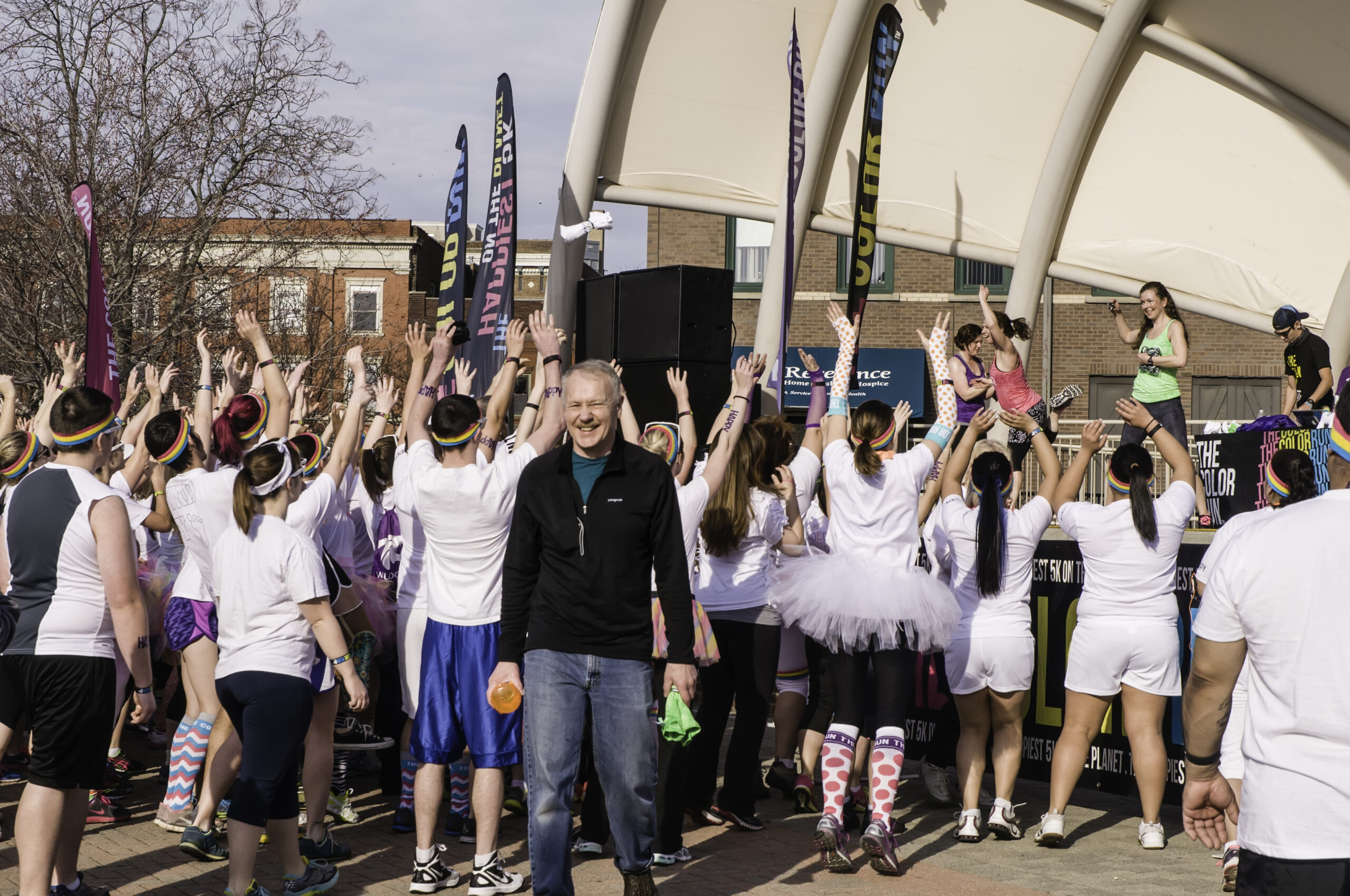
Big flagship events aren’t going anywhere—but the momentum behind smaller, more personal gatherings is hard to ignore. Think workshops, meet-ups, niche conferences, local markets, tasting nights, community fitness, and “micro-festivals” that feel curated rather than massive.
Why it matters: community-first events tend to convert better because they’re specific. People know exactly what they’re signing up for. They’re also easier to repeat—monthly, quarterly, seasonal—so you’re building an event brand, not a one-and-done project.
What to do in 2026: plan for repeatability. Create event formats you can run again with small improvements each time. And make the buying experience feel consistent—same tone, same ticket delivery, same expectations.
Trend 2: Hybrid is less “big production,” more “smart option”
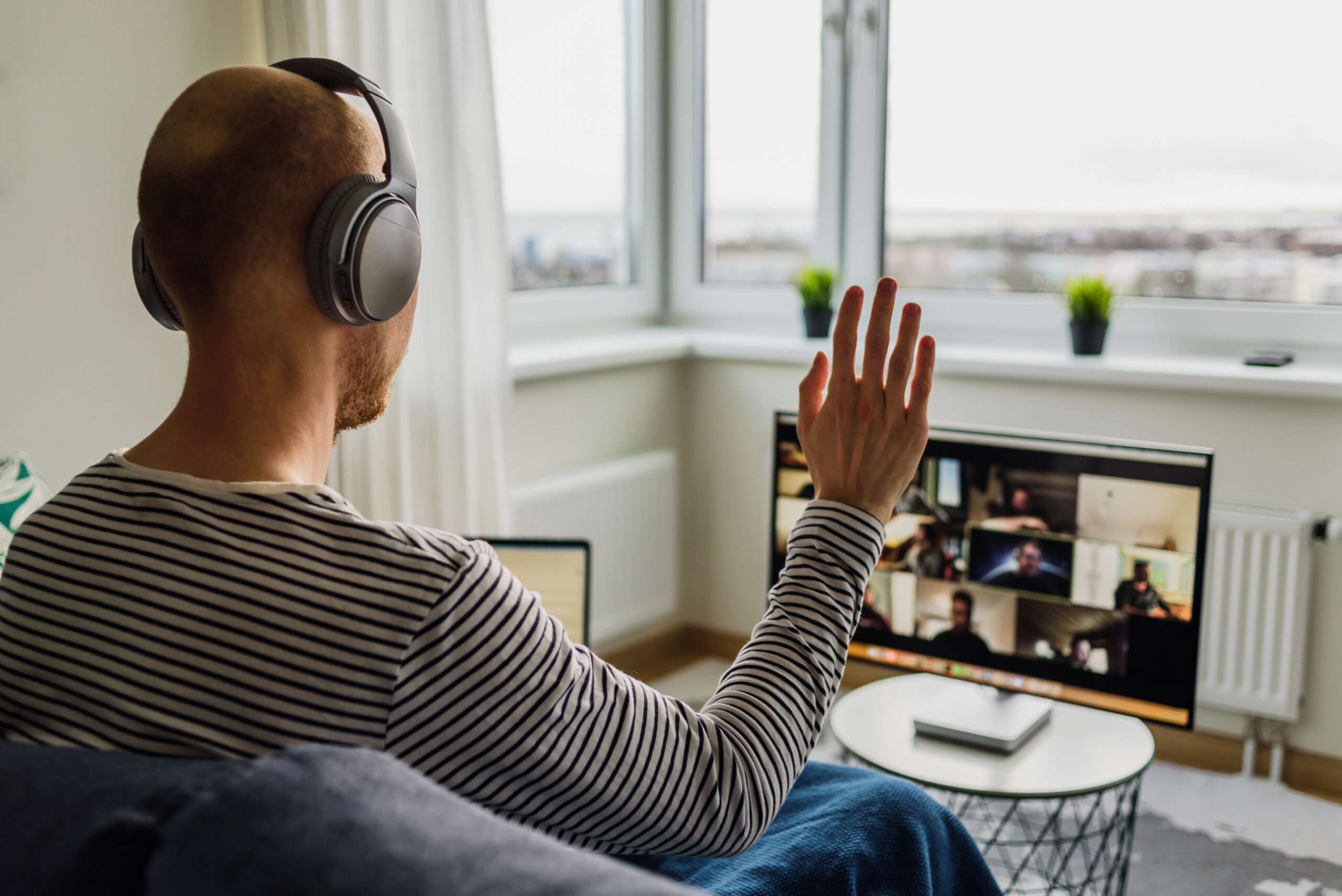
In 2026, “hybrid” is often practical, not flashy. Some attendees can’t travel. Others want to sample an event before committing. Sponsors may want sessions recorded. And organizers want flexibility when weather, travel, or schedules change.
Instead of trying to make online attendance identical to in-person, more organizers are designing hybrid with clear boundaries: live attendance gets the full experience; virtual attendance gets access to selected sessions, recordings, Q&A, or companion content.
What to do in 2026: sell hybrid honestly. Don’t pretend it’s the same ticket in a different wrapper. Describe what virtual attendees will get, when they’ll get it, and how it will work. Clarity beats cleverness.
Trend 3: Late decisions are normal—so your ticketing needs to be calm about it

Attendees are still buying closer to the date than they used to. That doesn’t mean your marketing is failing. It means people are juggling more uncertainty and leaving decisions later.
This has two knock-on effects:
- Organizers need better “last-mile” communication (what to bring, where to go, what time doors open, parking, accessibility, etc.).
- Ticketing needs to reduce friction for late buyers and reduce support load for you.
What to do in 2026: invest in simple, reliable communication. A clear confirmation email and a mobile-friendly ticket do more for attendee confidence than another Instagram post. If you’re using WooCommerce + FooEvents, keep the ticket delivery experience consistent across events, so returning attendees know what to expect.
Trend 4: Price sensitivity is real—value needs to be obvious
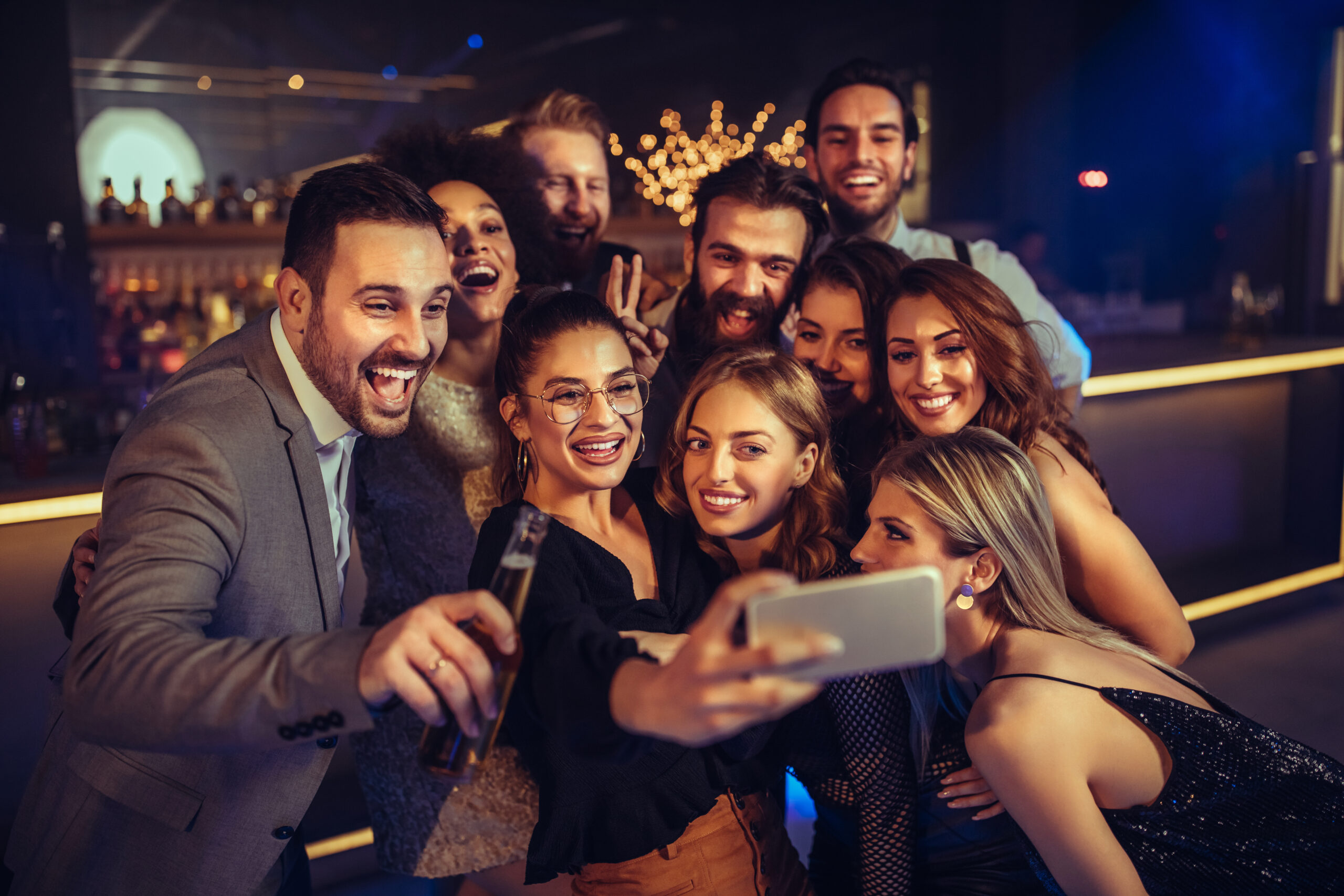
It’s not that people don’t spend on experiences. It’s that they want to feel good about the decision. That means value has to be clear, early.
In practice, organizers are leaning into:
- Tiered ticketing that matches different budgets
- Group tickets that encourage “bring a friend” behavior
- Add-ons that are truly useful (not fluff)
- Better transparency around what’s included
What to do in 2026: write like a human. Explain what the attendee walks away with. If it’s a workshop, what skills do they gain? If it’s entertainment, what’s unique about the experience? If it’s a conference, what kinds of connections or takeaways are realistic?
Trend 5: First-party data matters more (and you’ll need to treat it with respect)

Organizers want to build direct relationships with attendees—because that’s how you sell the next event, fill your email list, and learn what your audience actually wants.
At the same time, people are more alert to privacy and “why are you asking me this?” energy.
What to do in 2026: collect only what you’ll use. If you ask for phone numbers, dietary preferences, or job titles, be ready to explain why. Keep forms short unless the event truly requires detail (like accredited training or complex seating).
Trend 6: Sustainability moves from “nice idea” to practical decisions

In 2026, sustainability is less about grand statements and more about operational choices: digital tickets, less printed waste, smarter shipping, local suppliers, reusable signage, and venues that make low-impact attendance easier.
Attendees notice the basics. Not because they’re grading you—but because the experience feels more thoughtful. And thoughtful experiences are easier to recommend.
What to do in 2026: pick two or three changes you can maintain. A small set of repeatable improvements beats a big one-off effort that disappears next season.
Trend 7: Resilience becomes part of “professionalism”

Everyone has a story: the venue changed, the speaker cancelled, the weather turned, the internet dropped, the line at the door got weird. In 2026, professionalism looks like staying calm when the plan changes.
What to do in 2026: design a fallback plan for three moments:
- Before the event: a clear update process (one page on your site, one email template, one social post)
- At the door: a check-in flow that doesn’t collapse if Wi-Fi stutters
- After the event: a simple “thanks + next steps” message while the good feeling is still fresh
What these event trends in 2026 mean if you sell tickets with WooCommerce
If you’re using WooCommerce for your store, the 2026 trendline points to one big advantage: you can keep the ticketing experience connected to the rest of your business—your branding, your customer history, your email list, your analytics.
FooEvents is built for that exact approach: ticketing that lives on your WooCommerce site (instead of sending buyers off to a third-party platform). When the goal is long-term audience building, that matters.
If you’re planning your 2026 calendar now, start with one question: what will you repeat? Then build the most boringly reliable foundation possible—clear pages, consistent ticket delivery, and a check-in flow you trust.
👉 Find out more about FooEvents
Συμπέρασμα
In 2026, “good events” aren’t defined by size. They’re defined by how they feel—clear, welcoming, worth it, and thoughtfully run. The event trends above aren’t about chasing shiny ideas. They’re about meeting attendees where they are and building event formats you can run again and again.
ΣΥΧΝΈΣ ΕΡΩΤΉΣΕΙΣ
Q. Do I need to run hybrid events in 2026?
A. No. But having a practical hybrid option can help you serve people who can’t attend in person and protect your event if plans change.
Q. Are smaller events really better for growth?
A. They can be—especially if you repeat them. Repeatable formats often build a more loyal audience than one large annual event.
Q. How do I reduce support questions about tickets?
A. Start with clarity: what happens after purchase, where the ticket lives, and what to do if someone can’t find it. Consistent messaging helps a lot.
 English
  German
  Dutch
Dutch  Spanish
  Italian
  Portuguese
  French
  Polish
  Czech
Czech  Greek
Greek